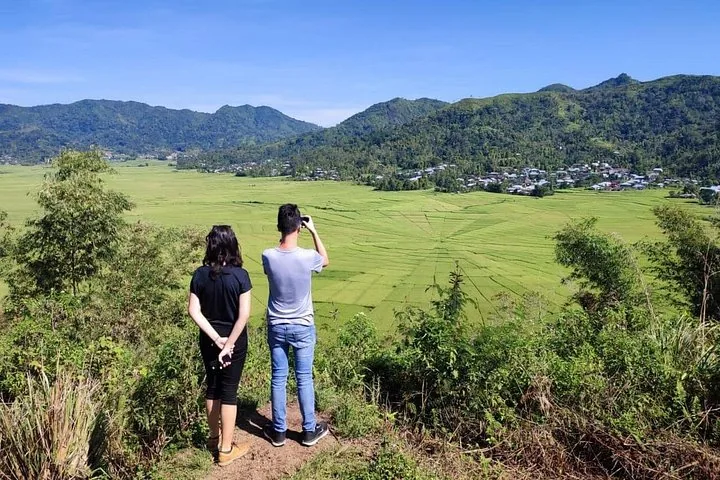

In short
- Best for active children over 10 years old.
- The hike gains 750 meters in elevation over 2 to 4 hours.
- May to October is the safest time for families to hike.
In this article
Hiking to this isolated 1,200-meter-high village is a serious physical effort. You will drive up to five hours from Labuan Bajo, then hike up a steep rainforest trail. This guide explains what families need to know before bringing children on this trek.
Is the Wae Rebo trek too hard for kids?
The trail is physically demanding and gains about 750 meters in elevation. It takes adults two to four hours to reach the village.
The path starts in Denge and climbs steeply through dense rainforest. After heavy rain, the trail becomes muddy and slippery. This makes it dangerous for young children. Older, athletic children can handle the incline if they take breaks at spots like the Poco Roko viewpoint.
What is the recommended age for the trek?
We recommend the hike primarily for active children over the age of 10.
Toddlers and young kids will struggle with the constant incline and uneven footing. There is no vehicle access to the village to rescue tired walkers. You can hire a local porter at Denge for IDR 250,000 or more, but they only carry bags.
How long is the drive to the trailhead?
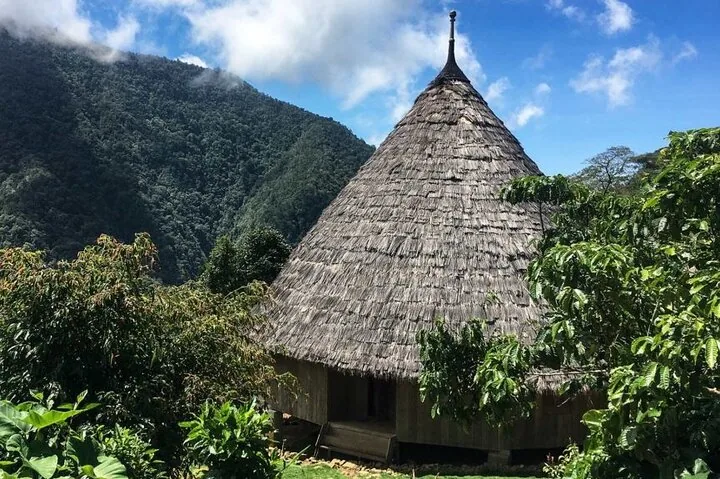
The drive from Labuan Bajo to Denge village takes four to five hours each way.
The roads are steep, winding, and full of potholes. Children prone to car sickness will have a difficult time. Motion sickness medication is highly recommended for the car journey.
Where will my family sleep in Wae Rebo?
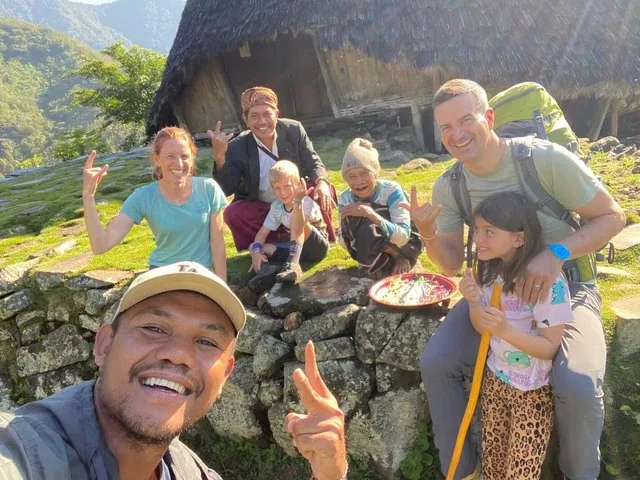
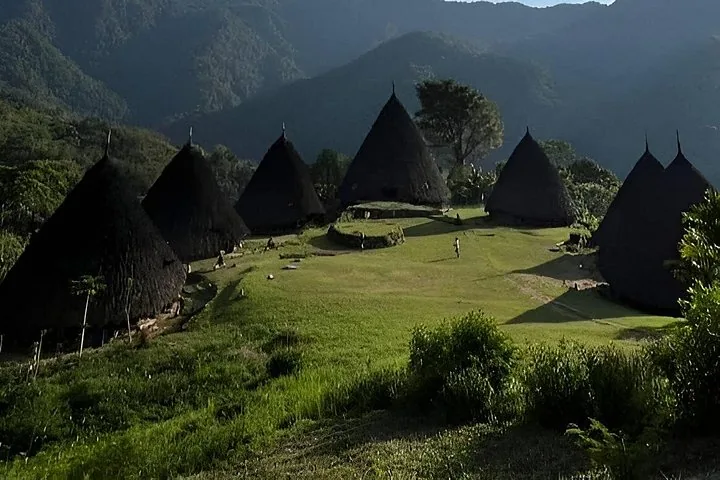
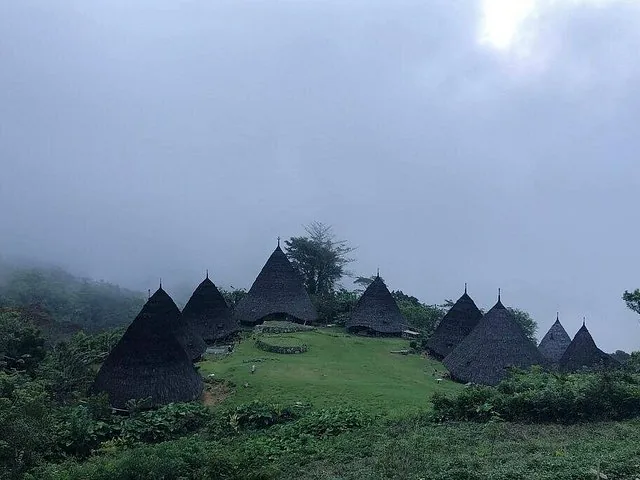
You will sleep in a shared traditional conical house with other hikers.
Families do not get private rooms. Everyone sleeps on woven mats arranged in a circle inside the Guest Mbaru Niang. You share a communal room, so earplugs are helpful. Temperatures drop significantly at night, so children need thick sleeping socks and warm layers.
What food and facilities are available for kids?
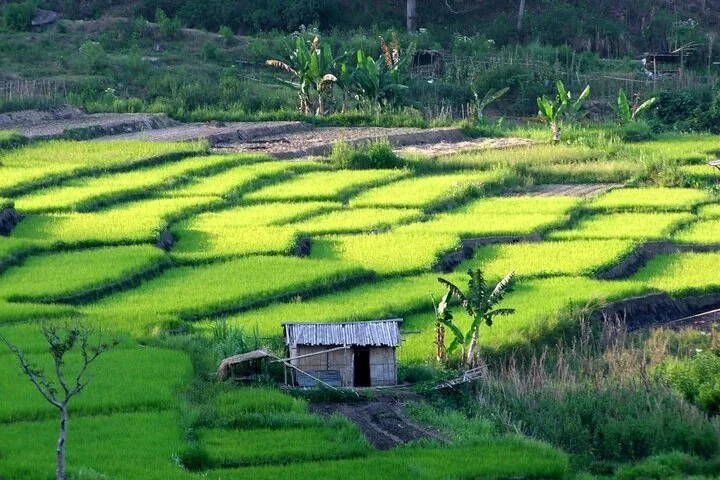
Your overnight fee includes simple local meals, but snacks are not sold in the village.
You must bring your own high-energy trekking snacks and reusable water bottles. Electricity only runs from 6:00 PM to 10:00 PM via generators. There is no standard mobile network coverage to stream entertainment for children.
When is the safest time for families to visit?
The dry season from May to October is the best time for families.
During these months, the trail is less muddy and slippery. This reduces the risk of slips and falls for young hikers. Mountain weather changes rapidly, so you still need to pack rain jackets.
Questions travellers ask
Do children need to pay the entrance fee?
Yes. Day visitors pay IDR 225,000 to 250,000 per person. Overnight stays cost IDR 325,000 to 350,000 per person. Everyone must also pay the IDR 50,000 Wae Lu'u welcome ritual donation.
Can children explore the village freely?
Not immediately. All visitors must participate in the Wae Lu'u welcome ceremony at the main drum house before walking around. Modest dress and quiet behavior are expected.
Are there toilets or showers at Wae Rebo?
The village has very basic facilities. Bring small denominations of cash and any specific hygiene items your children might need, as there are no shops.